
Unmasking the Silent Struggle: How Society's Expectations Harm Men's Wellbeing
Date: Tuesday 26 Nov 2024
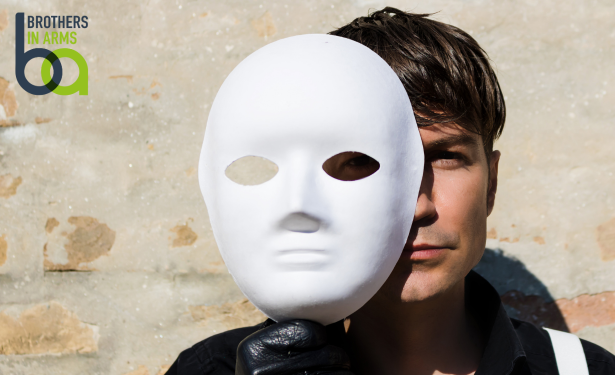
Societal expectations often push men to embody the "strong and silent" archetype. This pressure complicates their ability to manage overthinking, harming their mental wellbeing. According to research, society often expects men to conceal their emotions and avoid seeking help. This expectation becomes particularly problematic when men are trapped in cycles of negative thoughts, known as rumination. Without the necessary skills and support, they may struggle to cope.
The pressure to appear tough can lead men to hide their true feelings through unhealthy behaviours. These behaviours include aggression or substance abuse, which can further isolate them and worsen their rumination. Overthinking, coupled with the inability to express emotions, often results in loneliness. Despite the importance of social connections for mental wellbeing, traditional masculine norms can hinder men from building close relationships and finding support.
The stigma surrounding mental wellbeing and the fear of appearing weak can also deter men from seeking professional help. This avoidance allows overthinking to persist and potentially worsen. Creating mental wellbeing support specifically designed for men, using language and methods they find comfortable, could be more effective. It's crucial to recognise that these are general trends, and not every man experiences them in the same way.

Men are often unaware of how societal expectations and traditional masculine norms can negatively impact their mental wellbeing. They are frequently socialised to suppress their emotions and avoid seeking help when struggling. Feelings of shame or embarrassment may prevent them from admitting they need assistance, as they fear appearing weak or vulnerable. This emotional suppression can lead to unhealthy coping mechanisms, such as aggression, substance abuse, or risk-taking behaviours, as men attempt to mask their underlying emotional distress.
Consequently, men may be less likely to recognise the symptoms of mental well-being issues and may not realise their struggles are connected to these challenges. This lack of awareness can hinder them from seeking the support they require. Traditional masculine norms can also hinder men from forming close and supportive relationships, which are essential for maintaining good mental health. Men may find it difficult to connect with others on an emotional level, fearing judgment or rejection. This can lead to feelings of loneliness and isolation, further exacerbating mental wellbeing issues.
Addressing these often-unrecognised challenges requires a multifaceted approach. Increasing awareness of men's mental wellbeing through public health campaigns and educational initiatives can help men understand the impact of traditional masculine norms on their mental well-being. Creating male-friendly services and interventions tailored to men's specific needs, using language and approaches that resonate with them, is essential. This may involve offering activity-based interventions or conversation channels that provide a sense of camaraderie and shared experience.
Society must re-evaluate and challenge the rigid expectations placed on men. Promoting healthy expressions of masculinity that value emotional literacy and vulnerability can foster a more supportive environment in which men can seek help and prioritise their mental well-being. It's crucial to acknowledge that men's experiences are diverse, and not all men struggle with these issues to the same degree. However, societal expectations and traditional masculine norms can act as significant barriers to men's mental well-being, often without their realisation.
At Brothers in Arms, we strongly believe that by tackling these issues through education, information, and support, we can foster a more encouraging environment for men to thrive mentally and emotionally everywhere.